Week One
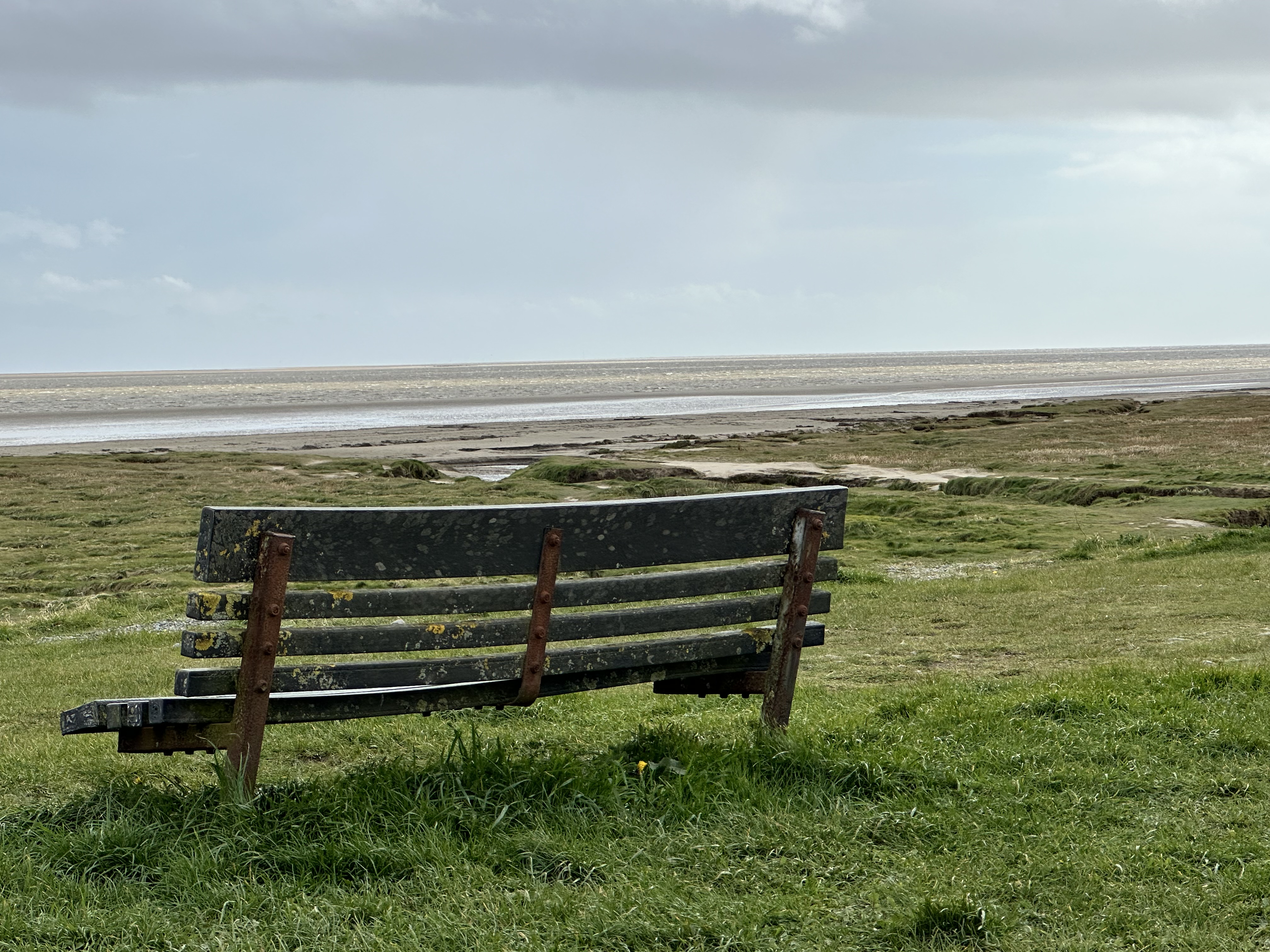
"Book reading - An Altar to the World" Barbara Brown Taylor. Song reflection - God of Every Grace. Psalms read - 1, 8, 90, 121
"We live, in fact, in a world starved for solitude, silence, and private: and therefore starved for meditation and true friendship" "The Weight of Glory". Book by C. S. Lewis, 1949.
Stopping for anyone can be hard. A sabbatical is a gift from the church - every 7 years - a 3 month moment of pausing and reflecting. Just as nature transitions between night and day, winter and summer, and seasons change, we need to do the same. So whilst this sabbatical is a few years late it is received, as intended, as a gift from the rhythm of ministry.
There are those who have said over about my last 2 sabbaticals:
-
"you only work one day a week, now three months off" - often followed up by other misguided comments
-
"enjoy your holiday"
-
"what about the volunteers who work all week and then give to church at the weekend"
and there are others who understand that one day off a week is not sustainable, days of at least 14 hours and call outs, caring for the flock, oversight of resources, vision and strategy.
So pause, reflect, examine and hopefully adapt.
“An unexamined life is not worth living.” Socrates
As a I pause I reflect on the following - What brings joy? What are the biggest learnings and insights? What's unnecessarily draining?
I'll be reflecting on the Psalms
The first week of sabbatical brought a change of plan - from a joyous wedding in Durham to the Lake District and not Mull as intended due to weather, ferries and hotel changes.
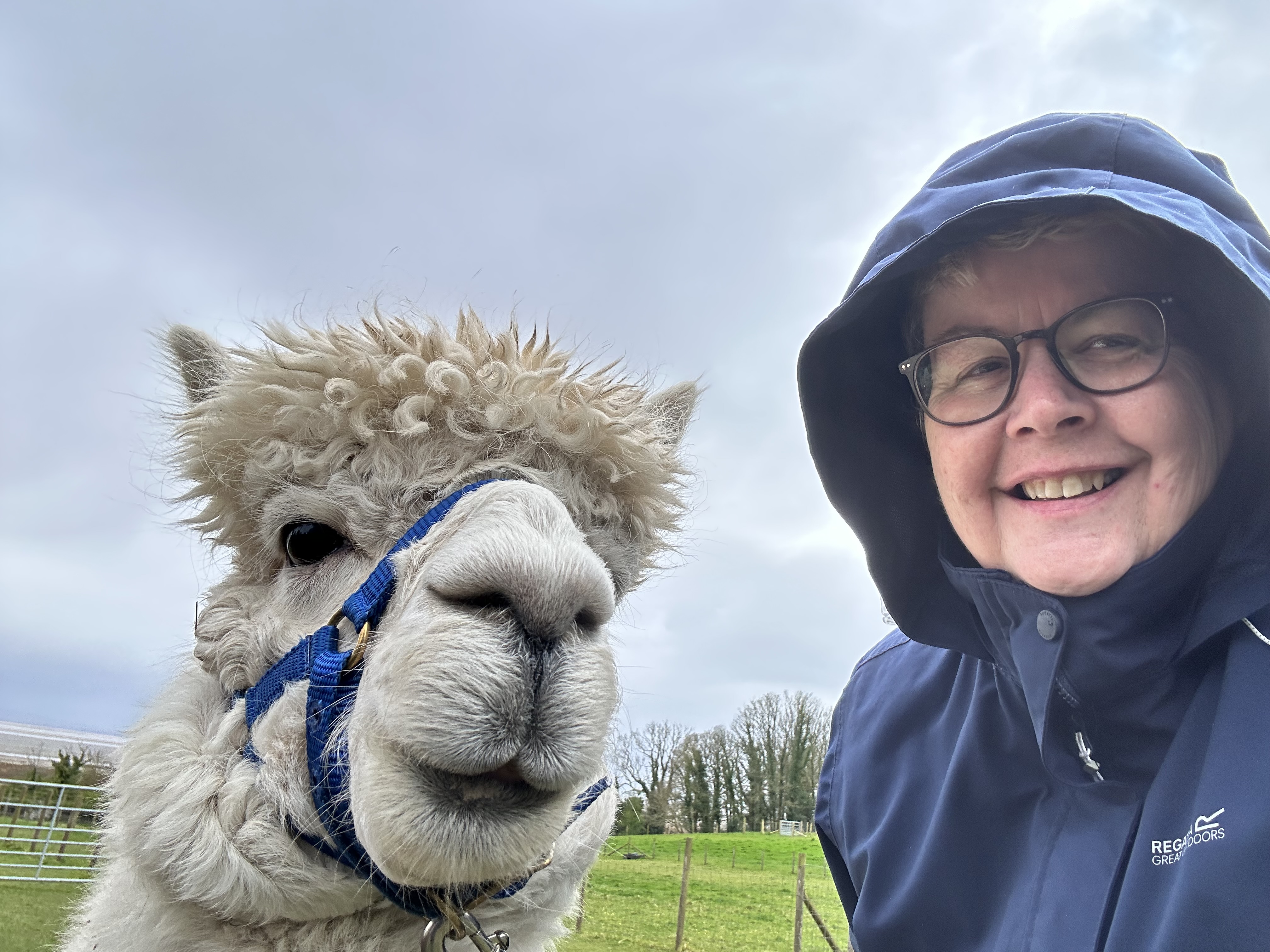
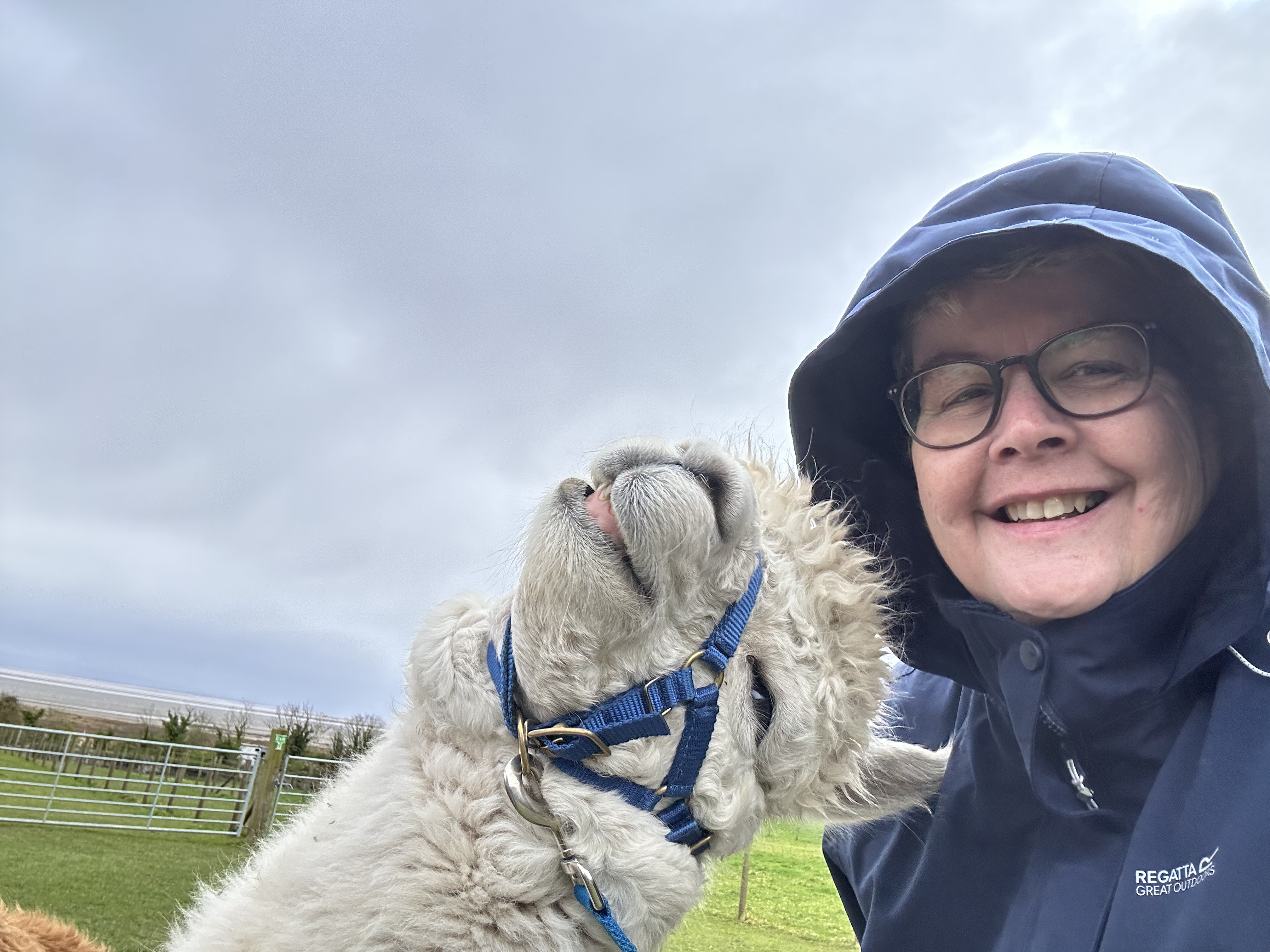
The lakes straight away offered a slower pace and a meeting with Jack the alpaca. Hilarious encounter all aided by treats for Jack - who knew the rustle of a bag could have 16 llamas/alpacas running towards you. I was committed and dedicated to Jack though.
 The Psalms
The psalmists include some of the most beautiful phrases in scripture. Prayed over for last 3000 years they bring comfort, challenge and praise. They lift us, offer lament and level us. They are a source of solace and inspiration flowing from the human heart and experience. We read the New Testament alongside the Hebrew scriptures - things make sense when we read biblical texts and the relationship between the two.
Psalm 1 - not just the first (though not the first written) it is almost an introduction to the Psalms - in a few earlier editions this Psalm was unnumbered and sat almost as a preface before the remaining Psalms. These Psalm 1 didn't just happen to be placed at the beginning of the book - as highly edited it was intentional. Psalm 1 offers a contrast between the way of the righteous and the way of the ungodly reminding us by not doing certain things brings happiness - it seems a negative approach but wisdom oozes. As social creatures (just like Jack the alpaca) we are influenced by our environment - good and bad. if we want to dwell within the light of God - a righteousness life - be careful where you hang out. Be mindful of who influences minds and hearts. In the Psalmist words turn toward the positive - what are the places, the people, the activities that guide us towards goodness, righteousness and love? and be grounded -
They are like trees planted by streams of water, which yield their fruit in its season, and their leaves do not wither. In all that they do, they prosper. Psalm 1
But Paul reminds us that it’s even wider than that. “Finally, beloved, whatever is true, whatever is honorable, whatever is just, whatever is pure, whatever is pleasing, whatever is commendable, if there is any excellence and if there is anything worthy of praise, think about these things.” (Phil. 4:8)
Psalm 8 - what beautiful poetry - the night star draws us in and we are dazzled by its glory. If only the psalmist had a telescope - so much more to witness. Yet a handful of stars refused to behave - the wanderers - as the Greeks finally called them saw a handful of stars refusing to meld and exist like the others (well done the wanderers). The Greek word for wanderers is planeo from which we derive planets - perhaps those wandering stars were other worlds of their own. We cannot unsee the images of Earth, Jupiter, Saturn and Venus but that wasn't known to the writer of Psalm 8. How much more cause for joy then. It is estimated there are 10 billion galaxies with each galaxy containing 100 billion stars. It isn't just what we say for that is a fraction of what is really out there.
So the psalm is humbling - not just "out there" but look around - the birds of the air (Artic Terns fly 10000 miles round trip from Antartic to Asia for the summer.
In just 70 Hebrew words we are pulled in to think of God, creation and their relationship. psalm 8 the first praise Psalm and the only one as a direct address to God.
Creation matters and God loves it. Why for it declares the glory of God. And we - we are to care for it. “
O Lord our Lord, how majestic is your name in all the earth"
Psalm 90 - the ticking of a clock astounds us - we pay attention at different times of lives - the first and last breath - time all noted. Time is different - in an airport lounge to a doctors waiting room it is impactful. Psalm 90 is all about time and is often used at a funeral service.
Written by Moses it is considered to be the first Psalm written (other Moses psalms 90-106).
the Psalm commences my Lord - unique in the Psalms and quite appropriate. It points to Yhwh's power and relationship with the speaker. Moses throughout the Psalm spas of experience (possibly written in the wilderness in Canaan). Psalm 90 s not disconnected from Moses other writings - its a reflection on them.
Moses writes:
“You turn man to destruction, And say, ‘Return, O children of men.’” (Psalm 90:3, NKJV)
While this verse doesn’t mention dust explicitly, it clearly echoes what Moses had already written in Genesis after the fall:
“For dust you are, And to dust you shall return.” (Genesis 3:19, NKJV)
This isn’t just poetic language—it’s a reflection of a reality Moses saw up close. The judgment described in Genesis and carried out in the wilderness became something he witnessed firsthand.
Psalm 90 focus is on God's eternal nature of the brevity of human life.
Psalm 121 - where do you look for help?
Sorry, your browser is unable to play this type of file.
You can still
download it
Psalm 121 is a Song of Ascents, one of the many said to be written by King David, is recited in times of trouble. In fact, it was taught that David himself was feeling hopeless when he composed this psalm (see Psalm 120 for information on his troubles). King David was looking for a ray of light, a modicum of peace. In a time when he was seeking hope and inner strength, he asks, “Who will help, and where will that help come from?” And before asking the question, of which he surely knew the answer, he turned his eyes to the mountains.
Where do you look for help? Does you gaze go to the person who you love and trust - the one who brings calm into a situation.
Often recited a the start of the journey the traveller asks a question and the answer is clear to see -
1 I lift my eyes to the hills — from where will my help come? 2 My help comes from the Lord, who made heaven and earth.
The psalm begins with a question to which anyone can relate: Where can I get help? Or better, where can I look for help? So we ask in the midst of space and time - where do we look for help?